Dick Arnall
Animation producer, 1944 to 2007.
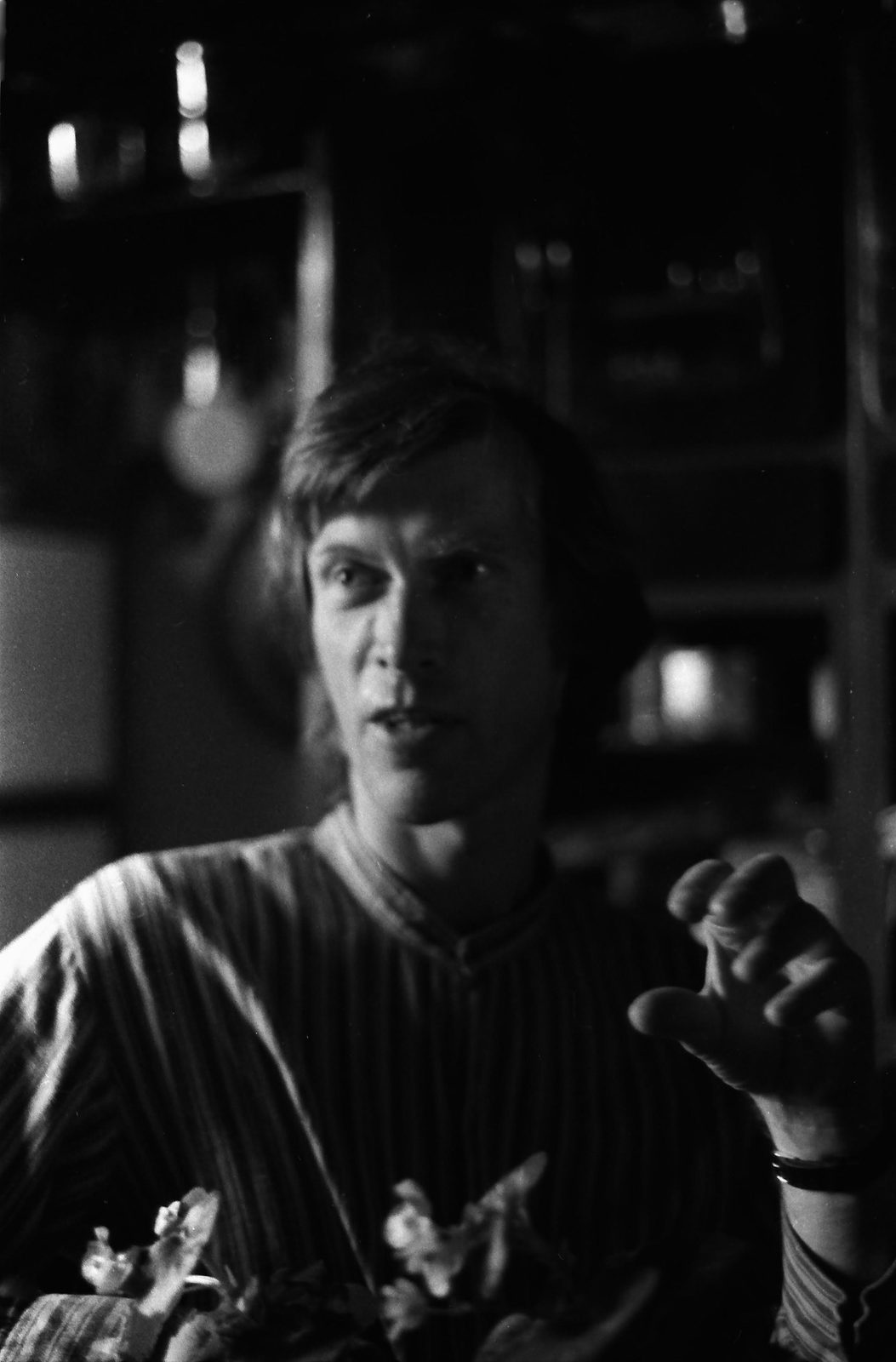
Dick Arnall devoted his life to artists. Not an artist himself, he was a selfless enthusiast for the work of others, with extraordinary taste, firm opinions, and a rare ability to inspire and cajole film-makers into their best work. He cared about artistic expression above all, and about image-making pushed past its boundaries, beyond animation, towards what he called the extended moving image.
He was born in Sunderland on and died in London on . He worked on Yellow Submarine, was assistant managing director at Halas and Batchelor, produced ten multi-award-winning independent animations, and from 1990 was production adviser to animate!, the commissioning scheme set up with the Arts Council and Channel 4.
Early years
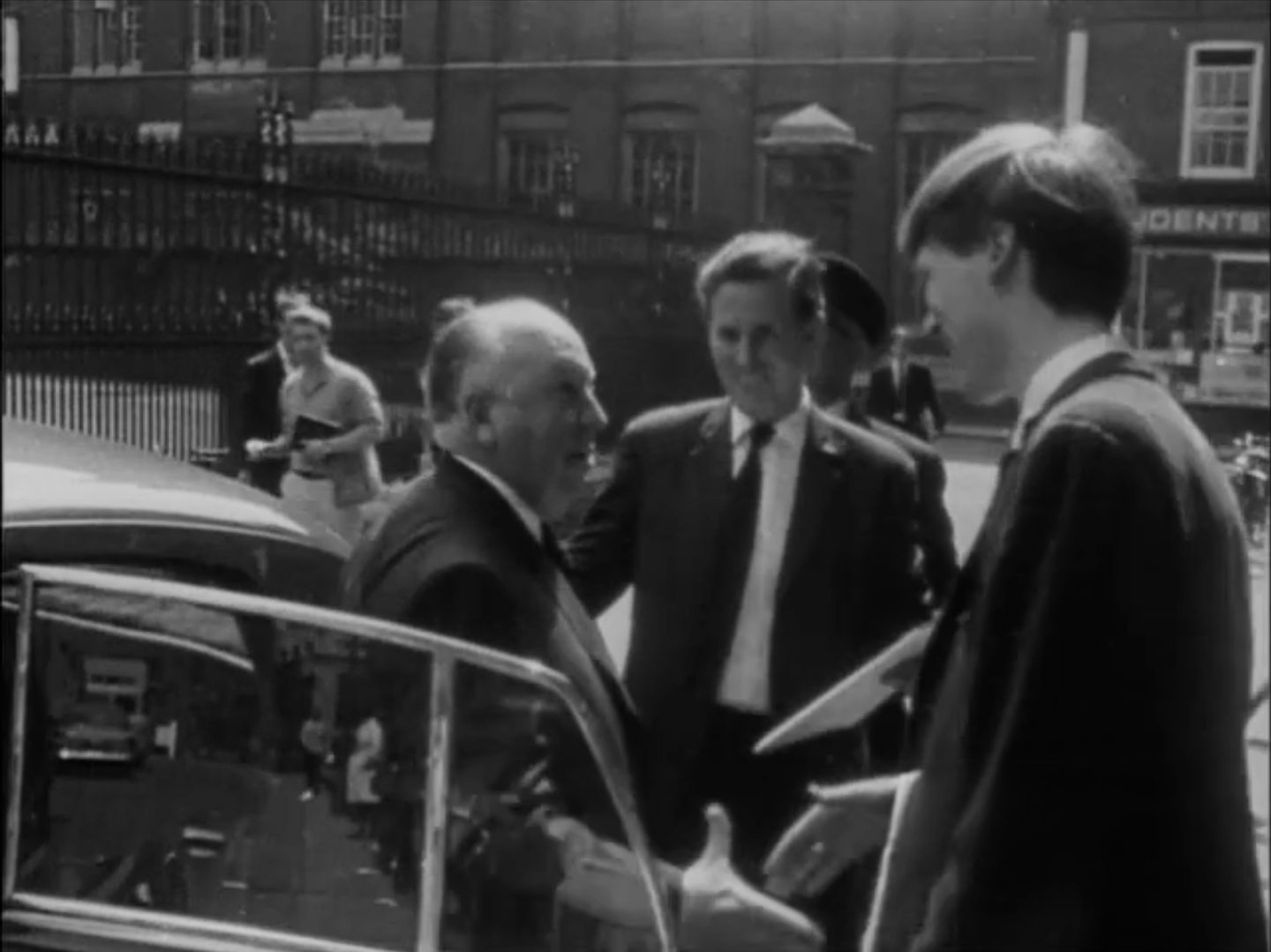
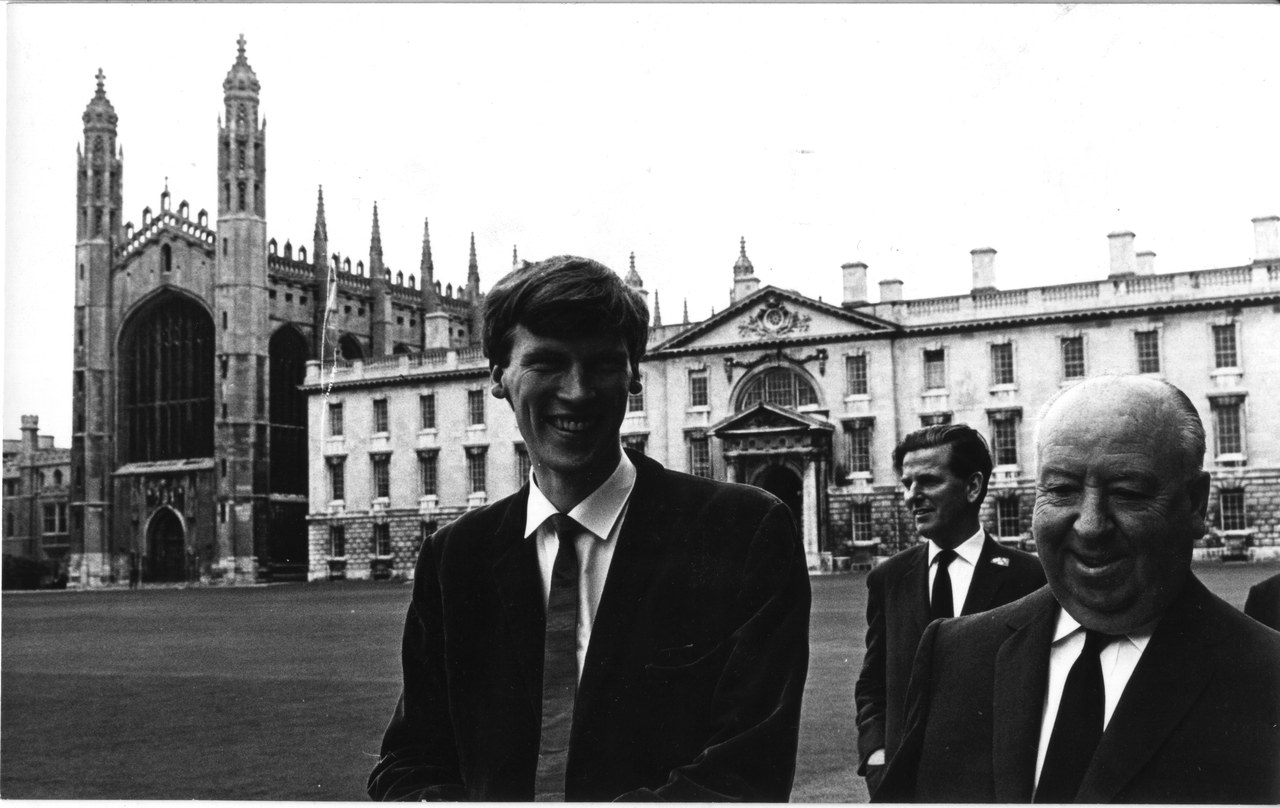
The son of a design engineer and a domestic science teacher, Arnall was educated at Monkwearmouth Grammar School and studied metallurgy at Queens' College, Cambridge. There he ran a film society and devised Britain's first animation festival, held in 1965, 1967 and 1968. The Times called it “the brainchild of its director, Richard Arnall”, and in 1968 he wrote for the paper on the Zagreb cartoon studio. The festival brought an international experimentalism to British filmgoing, showing Len Lye among many others, and was revived in 1979 with Arnall's unpaid support.
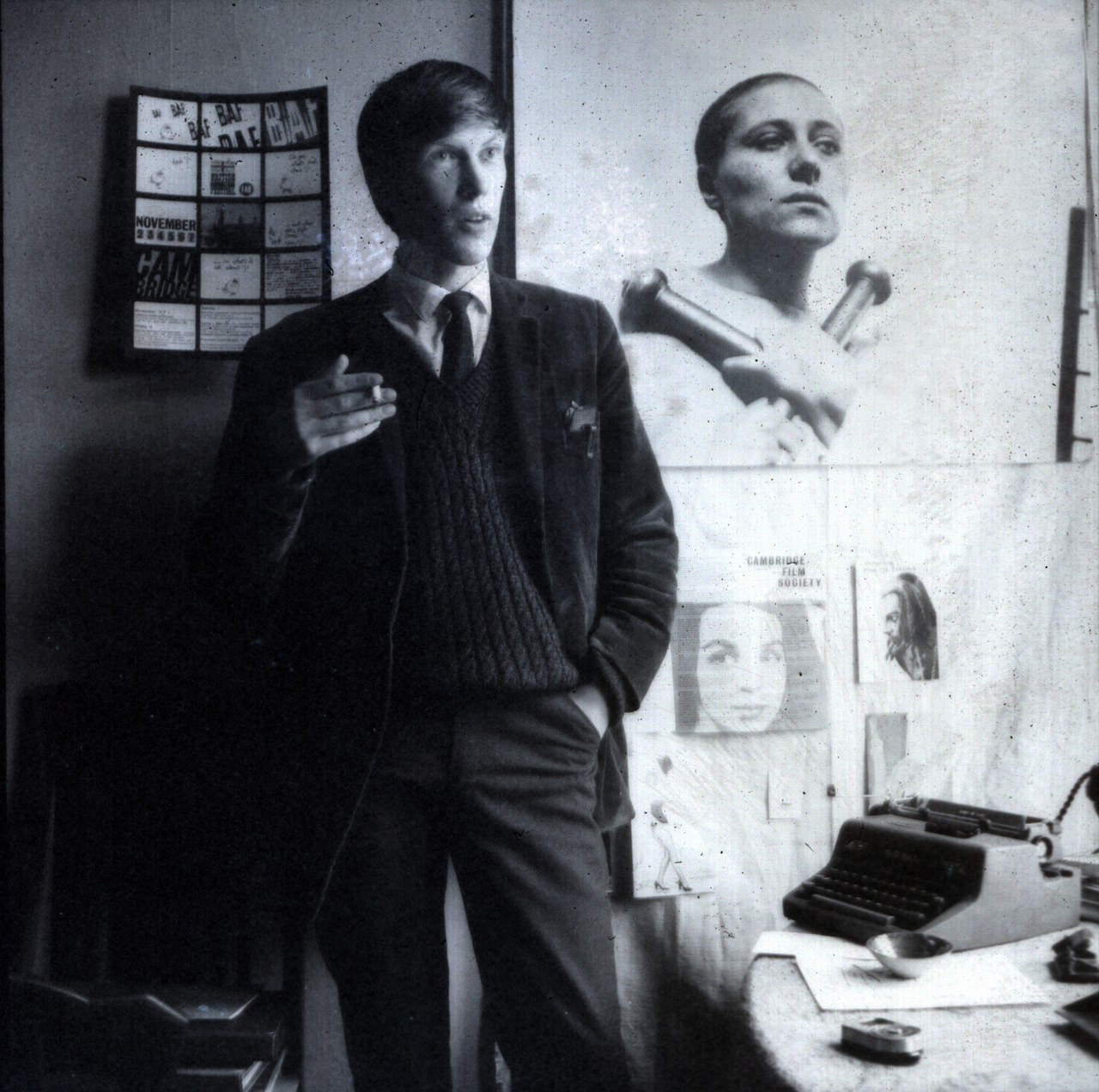
“By far the most original, exciting and creative film festival ever staged in the British Isles.” The International Film Guide, 1968
Yellow Submarine and Halas and Batchelor
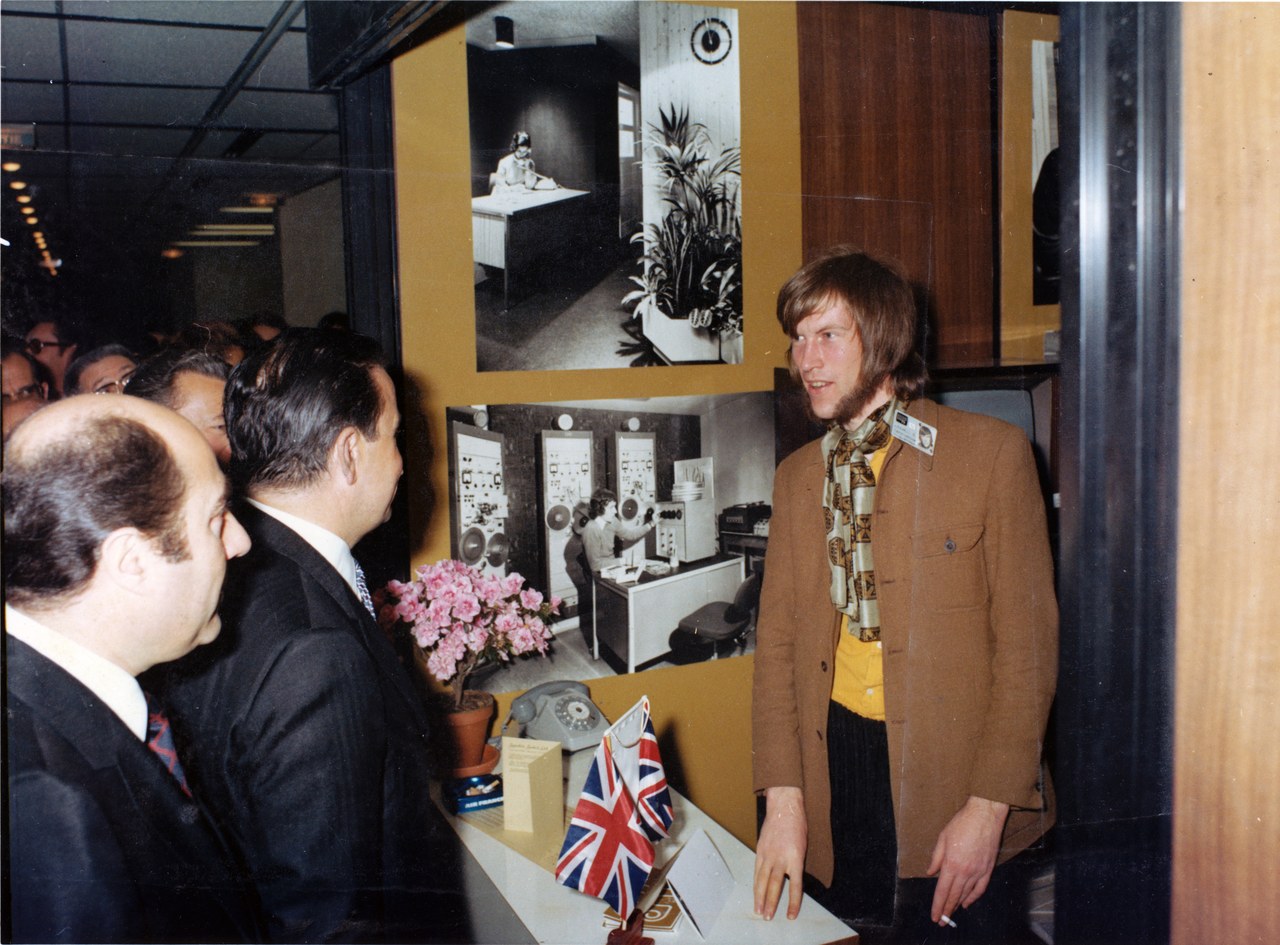
He worked on George Dunning's Yellow Submarine (1968), the first animated British feature for 14 years. From 1969 to 1972 he was assistant managing director at Halas and Batchelor, where he produced the first films by Paul Vester, Geoff Dunbar and Gillian Lacey, and managed the studio's Jackson Five and Osmond Brothers series for ABC-TV. The Osmonds episodes ran for 30 minutes (IMDb).
Independent production
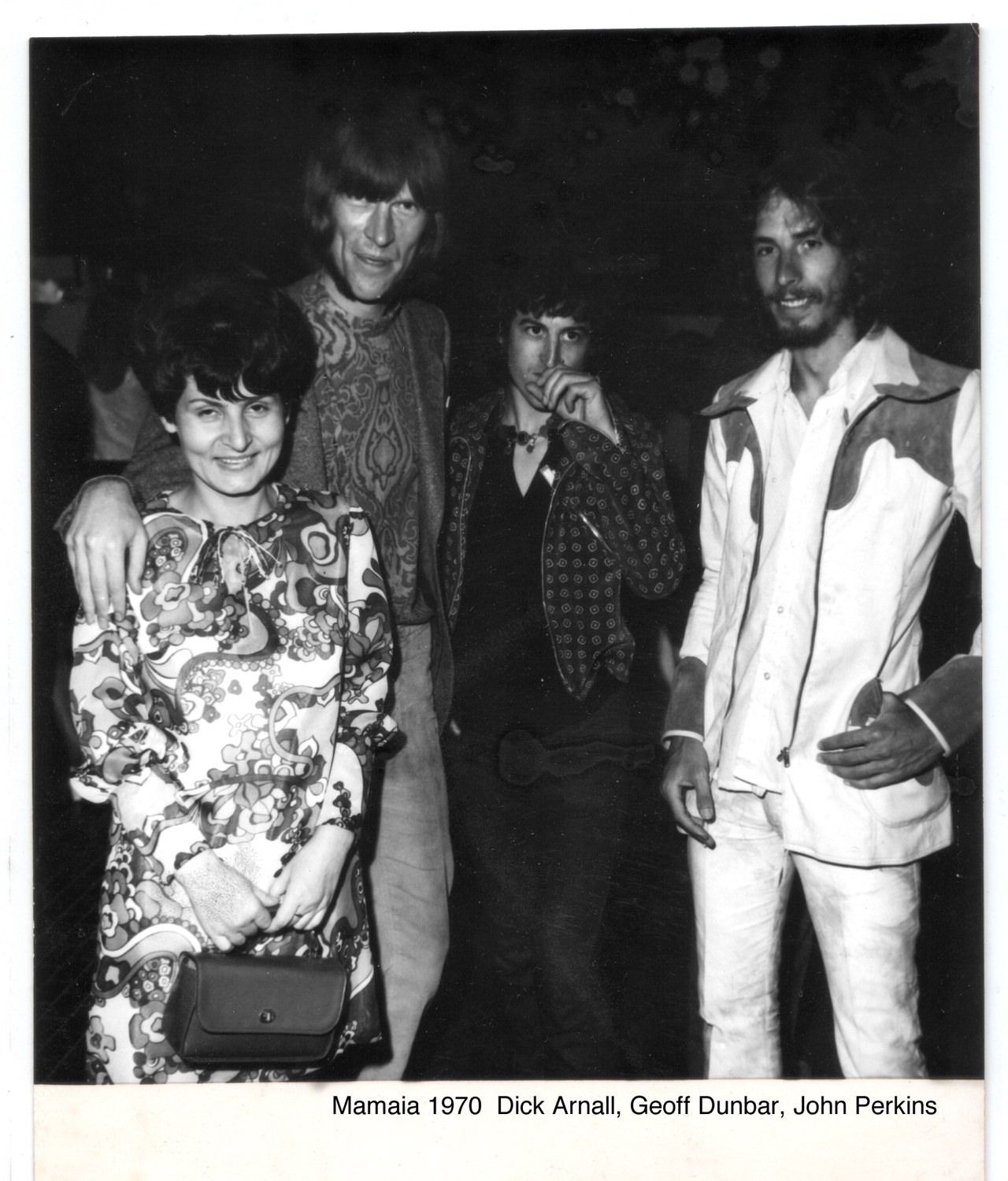
Arnall travelled to festivals across Europe. At the Mamaia festival in Romania he was held up by armed bandits, and met his wife, the Finnish animator Marjut Rimminen.
He returned to independent production with Rimminen's I'm Not a Feminist, But... (1986), the first of ten multi-award-winning animations made over the following 15 years. They included Tim Webb's A is for Autism (1992), Ruth Lingford's Death and the Mother (1997, made on an Amiga home computer) and Robert Bradbrook's Home Road Movies (2001).
A is for Autism screened at Edinburgh in August 1992 and at Ottawa and Chicago that October, winning Best New British Animation at Edinburgh, Best Educational Production at Ottawa and the Silver Hugo for Best Short Film at Chicago (IMDb).
Home Road Movies was nominated for the Golden Star for Best Short Film at Marrakech in 2002 and screened at Cleveland on 23 March 2003 (IMDb).
He also produced Lizzie Oxby's Extn. 21 (2003), which won the 2004 British Animation Award for Best Music. It won Best Debut at Bimini and Best First Film at Tirana in 2004, Best of Session in Melbourne's 'Best of Next' International programme and Best Animation at Portobello in 2003, Best European Short Film at Maremetraggio in 2005, and the Illyes Foundation Prize at Alter-Native in 2004. It received a special mention for Best Digital Video, Short in Arcipelago's eMovie/Digital Stories Award in 2003, and screened at Toronto Worldwide Short Film Festival on 4 June 2003 and at Aubagne on 6 October 2004 (IMDb).
Dick produced No Experience Necessary, with Finetake Productions and Channel 4 Television Corporation credited as production companies.
His production of Ruth Lingford's Pleasures of War (1998) was nominated for the Grand Prize of the City of Portimão at the Algarve International Film Festival in 1999, and screened at Göteborg on 29 January 2000 and at the Pelikula at Lipunan Film Festival in the Philippines on 22 February 2005 (IMDb).
He was executive producer of Simon Pummell's Ray-Gun Fun (1998), which screened at Locarno in August 1998, at Annecy on 5 June 1999 and in Chemnitz on 25 May 2001 (IMDb).
Death to animation
In 1967 Arnall had chosen the word ‘animation’ as an act of defiance: the Cambridge Animation Festival was named against the presumption that the form meant funny cartoons for children.
“Animation is not, and never has been, exclusively driven by frame-by-frame process but by notions of synthesis. Animation can be image re-presentation through spatial or timeline manipulation – or anything that could not be directly recorded in front of a live-action camera.”
By 2005 the word had flipped, and animation meant exactly the character-driven family entertainment he had set it against, leaving the artists and experimental film-makers without a term for their work. So after forty years in the medium, Arnall published a polemic on the animate! website.
“‘animation’ really is not a helpful label any more. Let’s return to ‘cartoon’ to describe regular character-based storytelling, whether it’s The Simpsons, Wallace & Gromit or Toy Story. Death to ‘animation’. It’s time to find a new word for ‘the extended moving image’.” Dick Arnall, Death to Animation, 2005
His argument was that animation is anything that cannot be recorded directly in front of a live-action camera. Woodcuts, 3D CGI, stop motion, compositing, multiplane, drawing, models, cut-outs, time-slice, time-lapse, projection mapping, optical printing, generative models, depth maps.
He loved cartoons, and called Pixar’s Knick Knack one of the most perfectly formed short films of all time. The polemic was never against the work, only the word.
He was as enamoured by the 9×6 pixel as by the micro-edited reconstructions of Martin Arnold, and he saw no border between them. Anything could carry an idea: game engines, voiceover, the techniques of mainstream film and television, pure light, movement, colour and material. He wanted the work in front of the broadest possible audience, challenging what it expected.
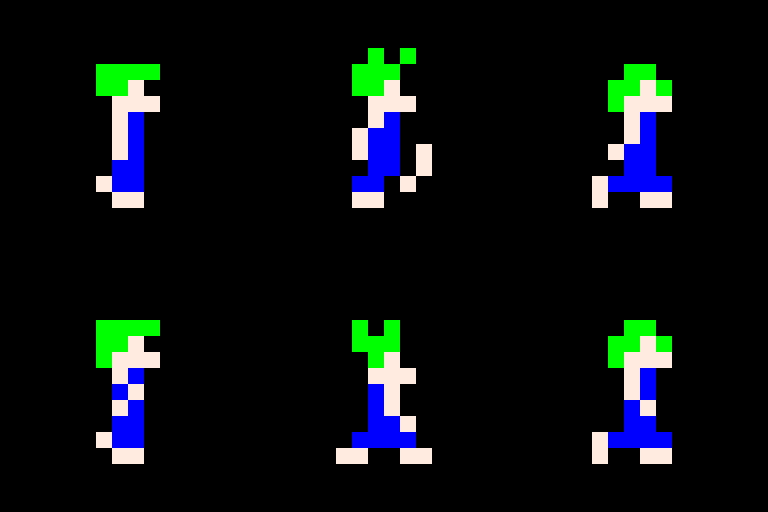
The origins of Lemmings, DMA Design, 1991.
animate!
From 1990 to 1998 he was independent production adviser to animate!, the commissioning scheme set up by David Curtis, Keith Griffiths and Clare Kitson with the Arts Council and Channel 4, steering 35 films to completion. In 1999 Creation magazine voted him top producer in its 50 Hottest Names in British Animation.
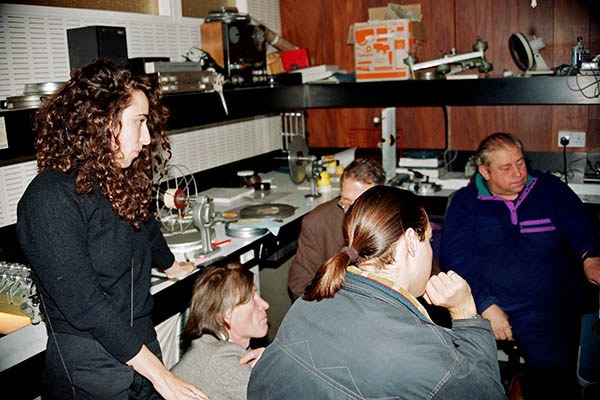
From 2000 he ran animate! through his own company, Finetake, expanding it with an international artists' award and the online archive animateonline.org, now restored at animate.org.uk.
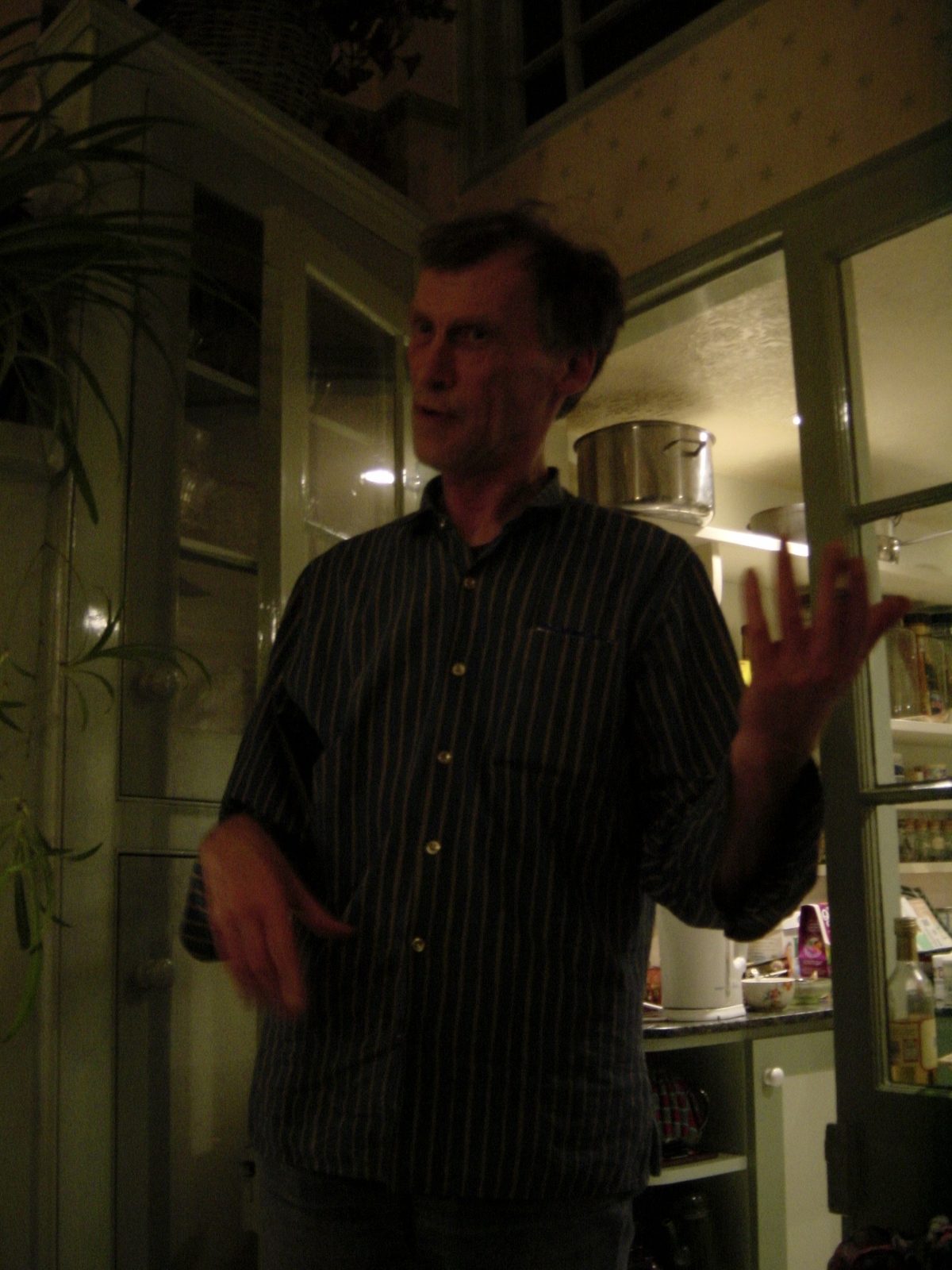
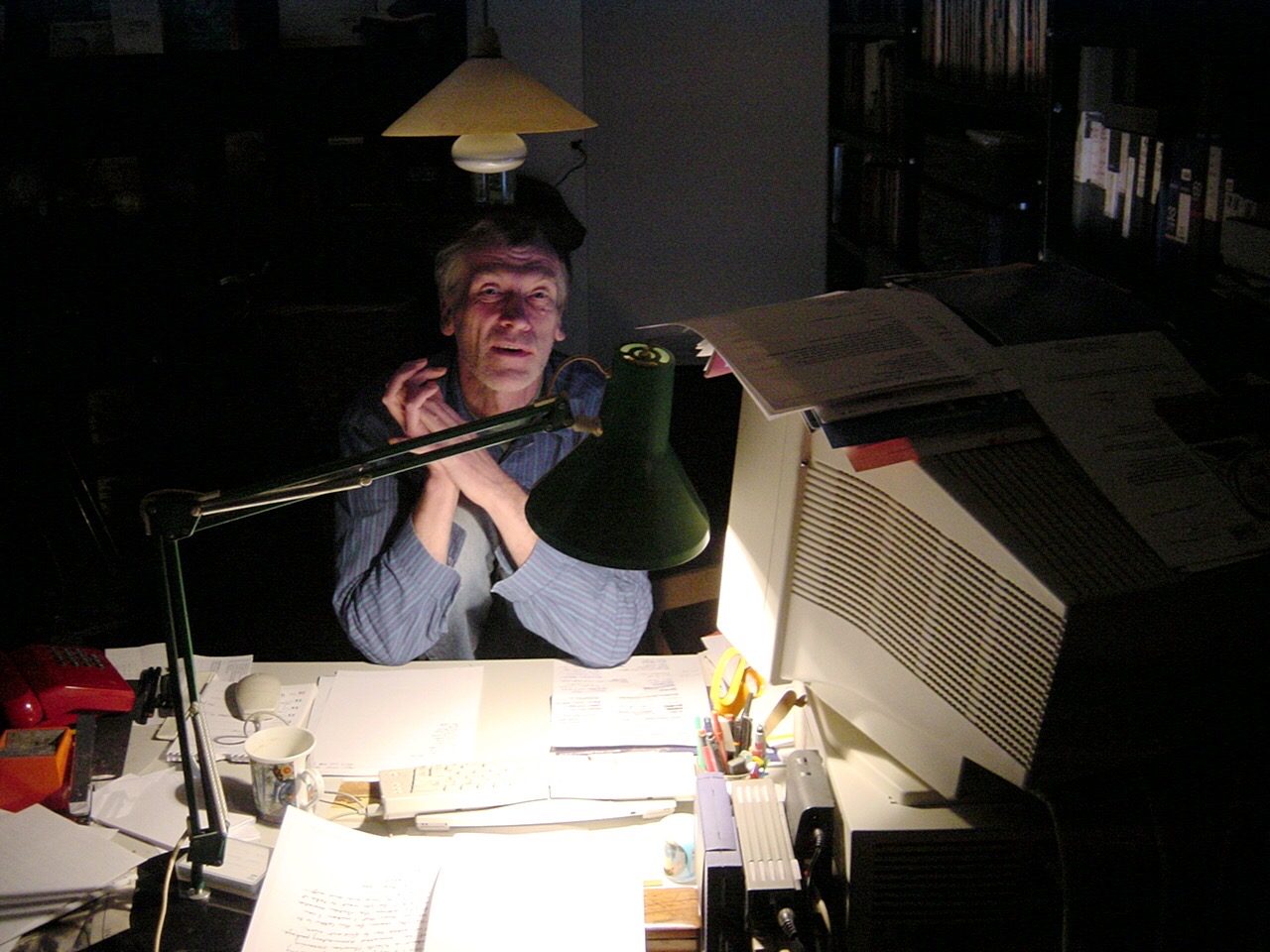
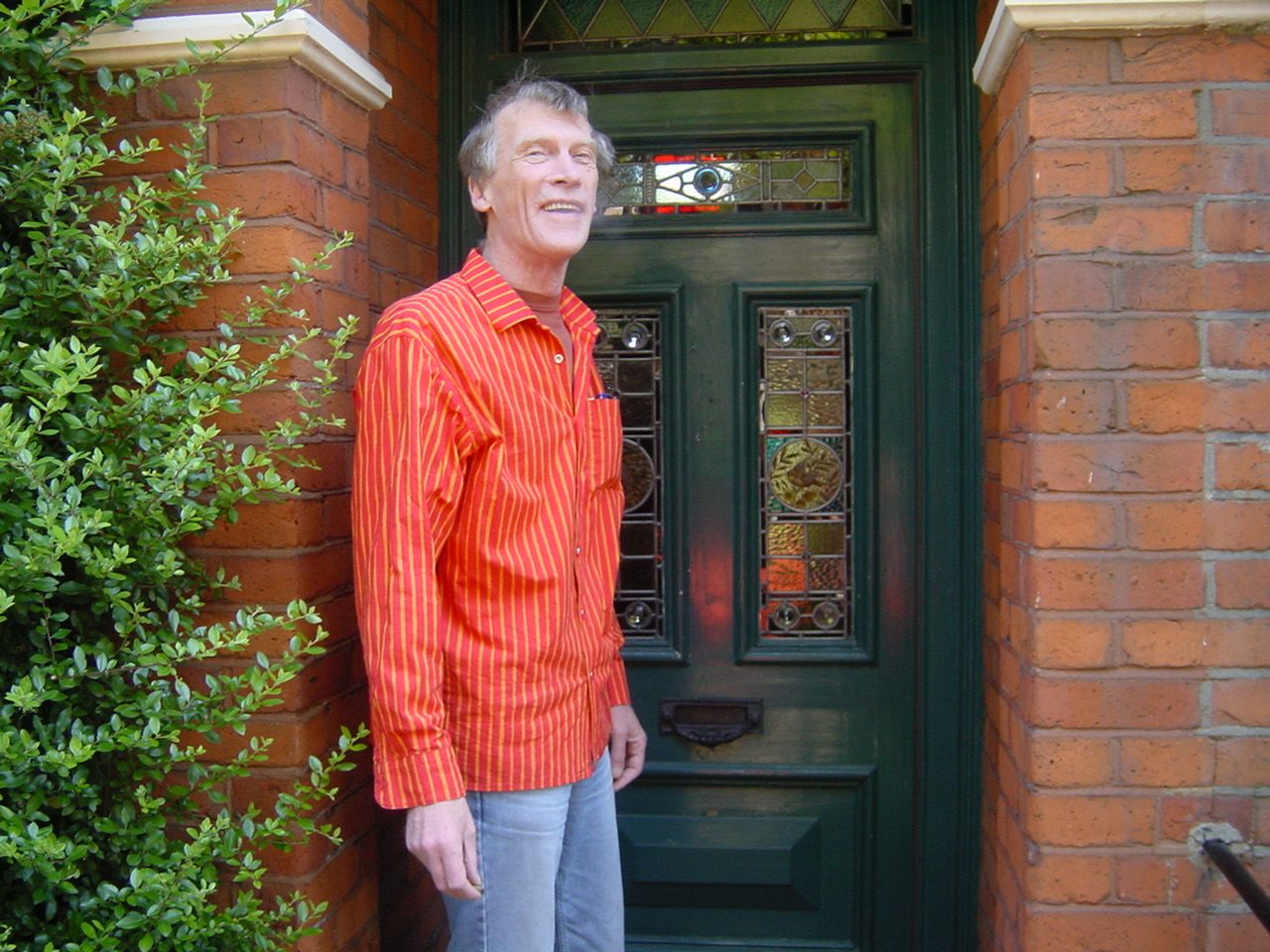
A founding member of Blacks in Soho in 1993, he was always distinctive in his Marimekko shirts. His nurturing and defence of film-makers, especially emergent talents, ran through all he did.
Tributes and archives
“He was simply one of the most decent and generous people that those who met him have known.” Gareth Evans, The Guardian, 18 April 2007
Read the full obituary, by Gareth Evans, The Guardian, .
“Dick Arnall was a maverick producer who championed the kinds of animation which challenge the audience.” Christopher Frayling, in Aurora 2007: Possible Worlds, Norwich, 2007
“Dick gave the best quality attention of anyone I have ever met.” Ruth Lingford, in the same catalogue
That year the Aurora festival in Norwich dedicated itself to him in perpetuity and set up the Dick Arnall Award “for rogue vision in the manipulated moving image”.
In November 2024 the London International Animation Festival held a tribute screening, Magic in Marimekko, and published an appreciation by Gareth Evans.
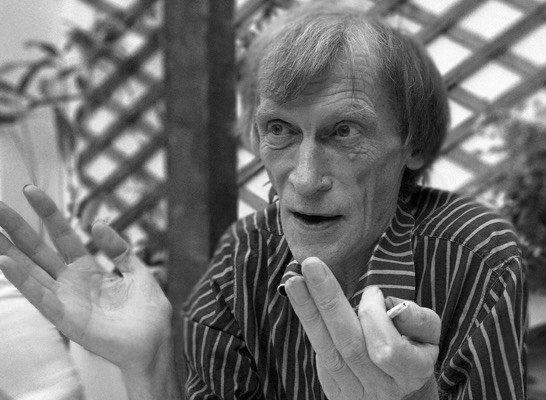
The animate! collection is held at animateprojectsarchive.org; Animate Projects continued the scheme after his death. His own working archive survives as the Dick Arnall Animation Archive at the University for the Creative Arts: thirty-three boxes tracing artist-made animation in Britain and Europe from the 1960s to the late 2000s.
He is survived by his wife, Marjut Rimminen, and his son, Timo Arnall.
* The photographer Dick hired to cover the visit, Peter Dunne, photographed Hitchcock in the cloisters that day. His portrait, Alfred in the Arches, later appeared in Apple's Think Different campaign.